When considering home decor, artificial flowers are a popular choice. They offer lasting beauty and can brighten up any space. However, not all artificial flowers are created equal. What is the difference between silk and plastic artificial flowers? This question is crucial for anyone looking to enhance their home’s aesthetic.
Silk flowers provide a luxurious appearance. They mimic the softness and texture of real blooms. This realism can elevate your decor, making it feel more inviting. In contrast, plastic flowers tend to shine and may lack the nuanced details found in silk. While they may be more affordable, they often don’t provide the same elegance.
Choosing between these two materials can be challenging. Think about your specific needs, such as durability and maintenance. Silk flowers can fade over time but are often more aesthetically pleasing. Plastic flowers can withstand various conditions but might feel less lifelike. Reflect on what matters most to you in your decor choices.
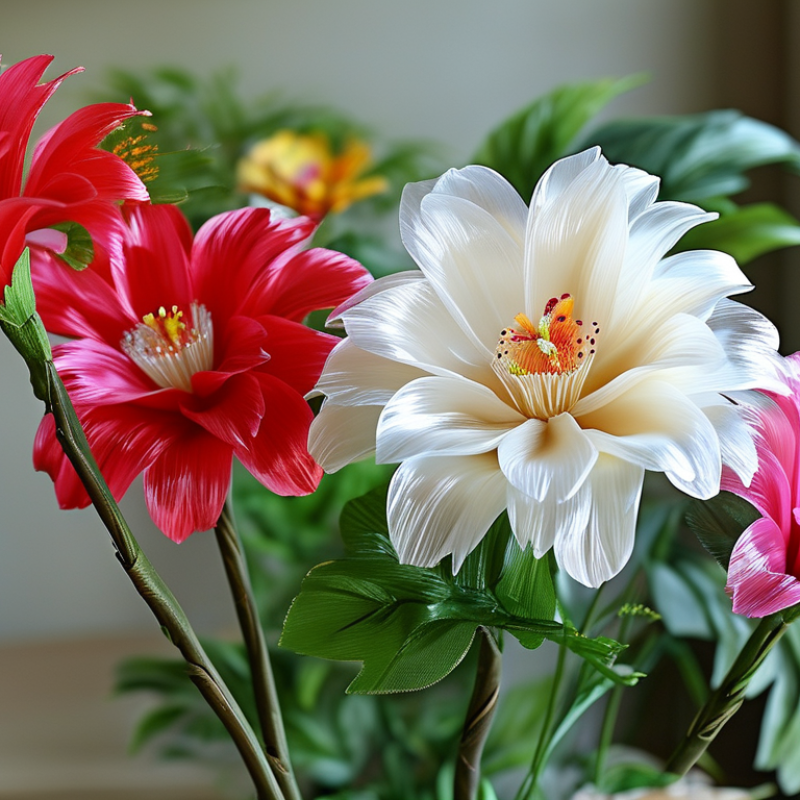
Comparison of Silk and Plastic Artificial Flowers
When considering artificial flowers, silk and plastic are the two most popular options. Silk flowers offer a high level of realism. They closely mimic the look and feel of natural blooms. The texture of silk can enhance their beauty, making them appear lush and vibrant. However, they can be more susceptible to fading over time, especially when exposed to sunlight. Regular cleaning is essential to maintain their appealing appearance.
Plastic flowers, on the other hand, are known for their durability. They are less affected by environmental factors. These flowers can withstand moisture and sunlight without significant deterioration. This makes them suitable for outdoor decorations. However, the less natural texture of plastic can sometimes betray their artificial nature. They may not convey the same elegance as silk.
In practice, the choice between silk and plastic depends on individual needs. Consider where the flowers will be displayed. For high-traffic areas or outdoor settings, plastic might be the better option. For a more intimate indoor setting, silk flowers may shine. It's important to reflect on these aspects to find the best fit for your space. Each type has strengths and weaknesses that cater to different preferences and situations.
Material Composition of Silk vs Plastic Flowers
When comparing silk and plastic artificial flowers, the material composition plays a crucial role. Silk flowers are typically made from a blend of silk and polyester. This combination allows for a soft texture and a more realistic appearance. The use of silk contributes to a natural sheen, making these flowers more appealing in both bright and dim lighting conditions. According to a 2022 report by the Artificial Flower Research Association, silk flowers can last for up to 5-10 years with proper care.
On the other hand, plastic artificial flowers are primarily made from polyvinyl chloride (PVC) or polyethylene. These materials are lightweight and often more durable than silk. However, they can appear shiny and less realistic compared to silk options. They are also excellent for outdoor use, as they resist elements like moisture and UV rays. A study from the Home Decorating Institute noted that while plastic flowers can last indefinitely, they may fade in color over time. Considering both types, your choice may depend on the intended setting and personal preference.
Comparison of Material Composition in Silk and Plastic Artificial Flowers
Durability and Longevity of Silk and Plastic Flowers
When comparing silk and plastic artificial flowers, their durability and longevity play a crucial role. Silk flowers, often crafted from natural fibers, exude elegance. However, they can suffer from fading in direct sunlight. Over time, the fabric may wear out or fray, especially in high-traffic areas. Despite their delicate nature, silk flowers can last several years with gentle care. Regular dusting can help maintain their appearance, but they might require occasional replacement.
On the other hand, plastic flowers are known for their resilience. They can withstand various weather conditions, making them ideal for outdoor displays. Unlike silk, plastic flowers do not fade as easily. They remain vibrant over time, but their plastic texture may lack the luxurious feel of silk. While they are durable, some may find them less aesthetically pleasing. It's essential to consider the setting when choosing between the two. Many people reflect on their experiences with both types, appreciating silk's beauty while enjoying plastic's low maintenance.
Aesthetic Appeal: Silk vs Plastic Artificial Flowers
When it comes to aesthetic appeal, silk and plastic artificial flowers each present unique characteristics. A study by the International Journal of Design Research found that consumers often perceive silk flowers as more realistic. This perception can be attributed to the soft texture and vibrant colors of silk, which tend to mimic natural blooms closely. Furthermore, silk flowers can evoke emotions often associated with real flowers, enhancing their decorative qualities in home and event settings.
On the other hand, plastic flowers have a reputation for durability and low maintenance. A report by the National Gardening Association indicates that over 30% of consumers prefer artificial options due to their resilience. While plastic flowers may lack the lifelike texture of silk, recent advancements in production techniques have led to improvements in their aesthetic appeal. For instance, some plastic flowers now feature UV protection, helping them retain their colors when displayed outdoors. Yet, this practicality raises questions about their environmental impact. It is essential to weigh the trade-offs between looks and sustainability when choosing between silk and plastic options.
Ultimately, preferences between silk and plastic artificial flowers can be subjective. What resonates with one person may not appeal to another. It’s crucial to consider personal taste, usage context, and ethical implications when making decisions in floral decoration.
Difference Between Silk and Plastic Artificial Flowers
| Feature |
Silk Flowers |
Plastic Flowers |
| Aesthetic Appeal |
Realistic and soft texture, often mimicking real flowers closely. |
Generally less realistic, may have a shiny finish that looks artificial. |
| Durability |
More delicate, can fade in sunlight, but can last many years with care. |
Highly durable, resistant to fading and weather conditions. |
| Maintenance |
Requires gentle cleaning; not water-resistant. |
Easy to clean, water-resistant, can be washed with soap and water. |
| Cost |
Typically more expensive, reflecting the quality and craftsmanship. |
Generally cheaper, making them more affordable for larger arrangements. |
| Environmental Impact |
Biodegradable options available, more eco-friendly. |
Most made from non-biodegradable materials, less eco-friendly. |
Care and Maintenance Requirements for Each Type
When considering the care and maintenance of silk and plastic artificial flowers, notable differences arise. Silk flowers exude elegance and a more realistic appearance but require gentle handling. They should be dusted regularly with a soft cloth or feather duster to maintain their appearance. Industry surveys indicate that around 70% of consumers prefer silk for home decor due to its lifelike look. However, silk flowers can fade over time if exposed to direct sunlight. Protecting them from UV light can extend their life.
On the other hand, plastic flowers are durable and easier to maintain. Most can be cleaned with a damp cloth, making them ideal for outdoor settings. They are resistant to fading and can withstand various weather conditions, which is appealing to 60% of outdoor decorators. However, plastic might accumulate dirt more easily and may need a deep clean occasionally. This involves using mild soap and water to wash away any buildup.
Choosing the right type of flower depends on your environment and aesthetic preference. Balancing beauty and practicality is essential. Each type has unique traits, leading to reflections on which best meets individual needs. While silk offers charm and warmth, plastic brings resilience and ease. Understanding these details allows for informed decisions in creating lasting floral arrangements.
FAQS
: Silk flowers are typically made from a blend of silk and polyester, giving them a soft texture.
With proper care, silk flowers can last for 5-10 years.
Plastic flowers are usually made from polyvinyl chloride (PVC) or polyethylene.
Silk flowers are often seen as more realistic due to their soft texture and vibrant colors.
Yes, plastic flowers are durable and resistant to moisture and UV rays, making them ideal for outdoor settings.
Silk flowers require gentle handling and regular dusting to maintain their appearance.
Plastic flowers can be cleaned easily with a damp cloth but may require deep cleaning occasionally.
Yes, while durable, plastic flowers may fade in color when exposed to sunlight.
Preferences depend on individual taste, usage context, and emotional connections to flowers.
It’s important to consider the trade-offs between aesthetic appeal and sustainability when choosing plastic flowers.
Conclusion
When considering artificial flowers, many people wonder, "What is the difference between silk and plastic artificial flowers?" The comparison begins with their material composition; silk flowers are crafted from soft fabric, giving them a realistic texture, while plastic flowers are made from synthetic materials that can sometimes appear less lifelike. In terms of durability, plastic flowers often outlast silk, making them a practical choice for outdoor settings or high-traffic areas. However, silk flowers can offer a more elegant aesthetic appeal, closely resembling real blooms, which many prefer for indoor decor.
Care and maintenance also vary significantly between the two. Silk flowers require gentle cleaning to maintain their appearance, while plastic flowers are often easier to wipe clean and more resistant to fading. Ultimately, the choice between silk and plastic artificial flowers will depend on the desired look, durability, and maintenance preferences of the individual, providing a range of options to suit different needs and tastes.
 Felicita Decor
